
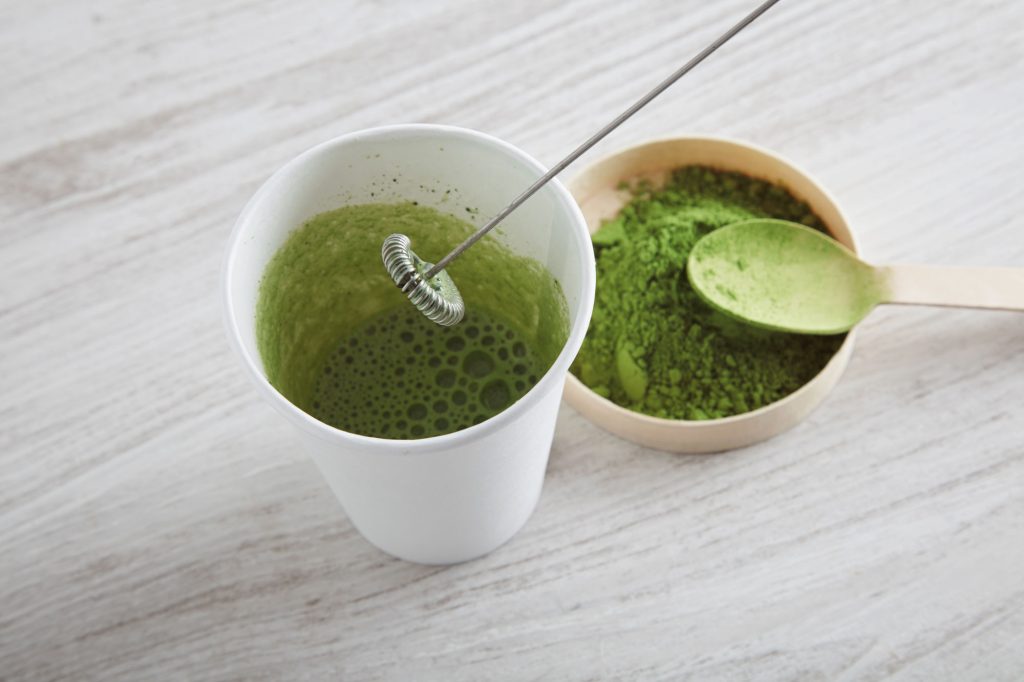
Finding the right matcha powder for latte is important for cafés, beverage brands, bubble tea businesses and commercial drink manufacturers.
Unlike traditional matcha prepared with water, matcha for latte applications must perform well when combined with milk, plant-based beverages, sweeteners and ice. The right product should provide an attractive green color, balanced flavor, smooth mixing and consistent quality. For B2B buyers, the best matcha powder for latte is not necessarily the most expensive option. It is the matcha that delivers reliable performance in the final beverage while meeting the required quality and cost targets.
What Makes Good Matcha Powder for Latte?
When selecting premium matcha powder for latte, commercial buyers should evaluate the finished beverage rather than only the dry powder.
The most important factors include:
- Natural green color
- Balanced matcha flavor
- Suitable bitterness
- Smooth texture
- Fine powder consistency
- Good mixing performance
- Batch consistency
- Cost efficiency per serving
Different recipes can produce different results. For this reason, matcha should be tested with the actual ingredients used in commercial production.
Natural Green Color for Commercial Beverages
Color is one of the first things customers notice in a matcha latte.
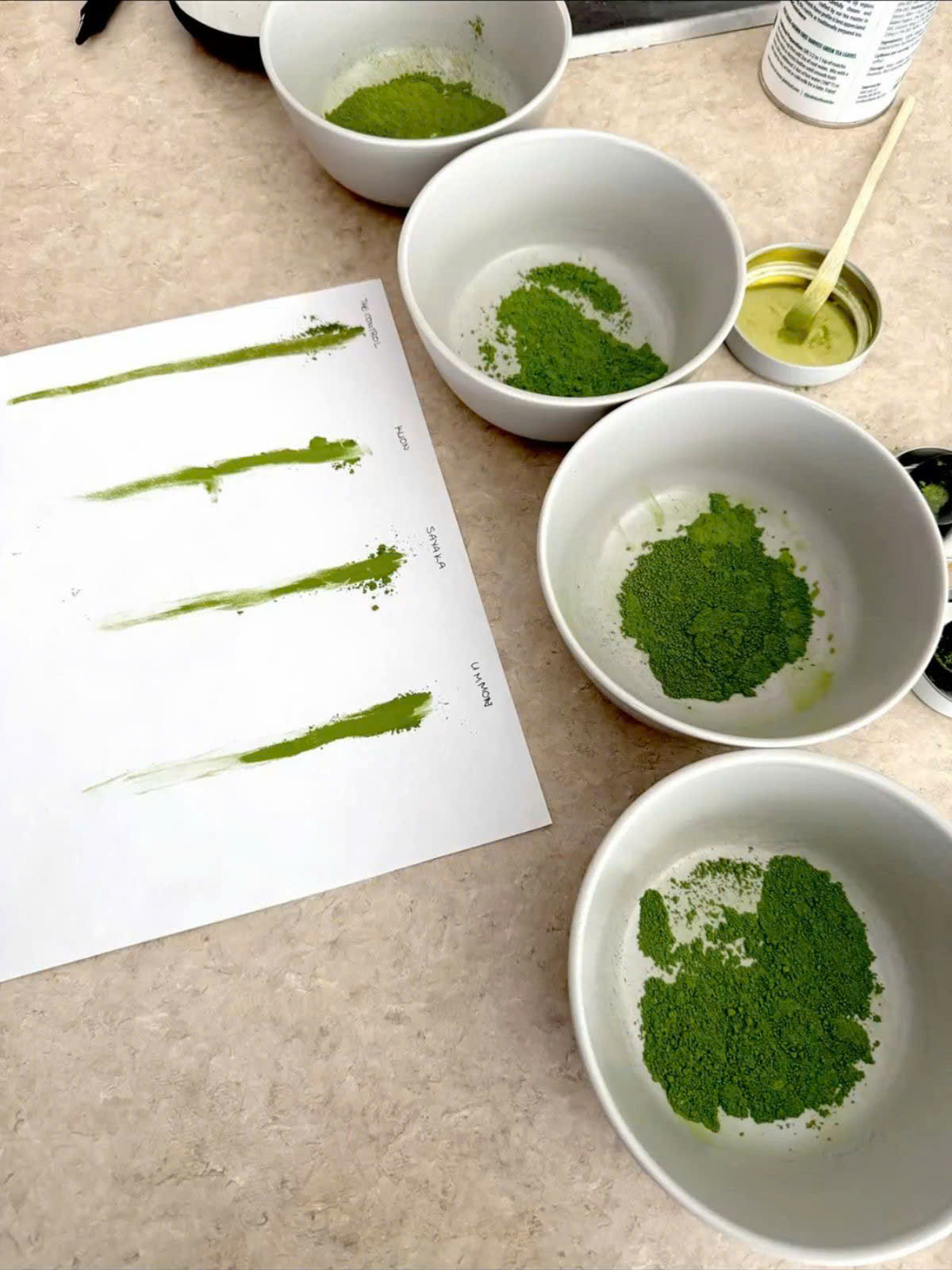
For cafés and beverage brands, a vibrant and natural green appearance can improve the presentation of both hot and iced drinks. However, the dry powder alone does not show how matcha will perform in the final beverage. Milk, plant-based ingredients and other recipe components can affect the final color. Commercial buyers should therefore evaluate matcha after preparing the complete beverage.
Flavor and Mixing Performance
A good matcha powder for latte should provide a balanced flavor when mixed with milk and other ingredients. For commercial beverages, buyers often look for a recognizable matcha taste without excessive bitterness. Mixing performance is also important. Fine matcha powder can support a smoother beverage texture and more consistent preparation.
Matcha for latte applications can be used in:
- Hot matcha latte
- Iced matcha latte
- Matcha milk tea
- Bubble tea
- Café beverages
- Smoothies
- Commercial drink formulations
The right specification should always be selected according to the final application.
Matcha for Dairy and Plant-Based Milk
Modern cafés increasingly use different types of milk for matcha beverages, including dairy milk, oat milk, soy milk and other plant-based alternatives. Each beverage base can influence the final flavor, color and texture. For this reason, B2B buyers should test matcha using their own formulation before confirming a large commercial order.
A matcha that performs well with dairy milk may create a different result when combined with oat or soy milk.
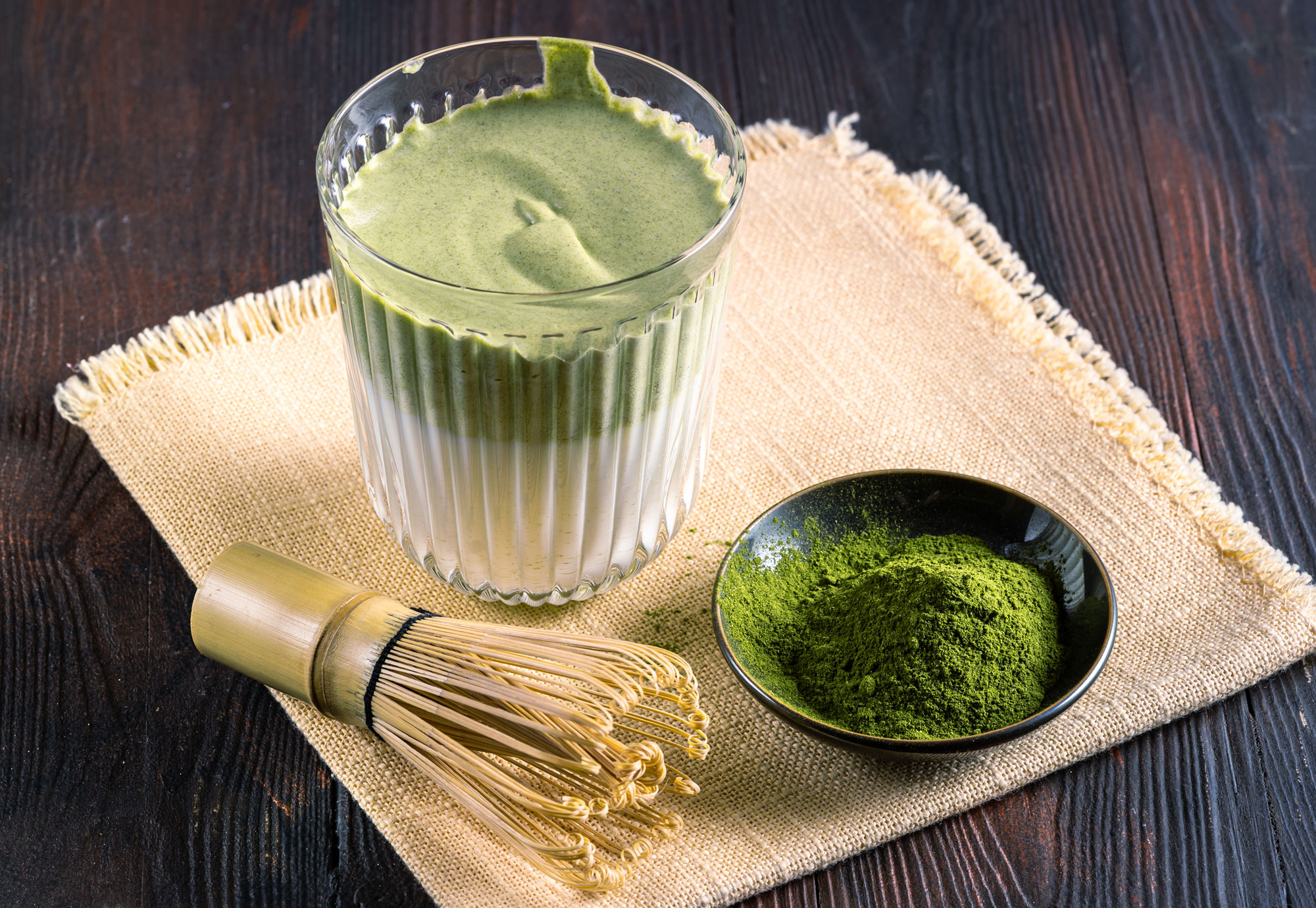
Premium Matcha for Cafés and Beverage Brands
Different businesses have different requirements for matcha.
A specialty café may focus on flavor and visual presentation. A growing café chain may prioritize consistency between locations. Beverage brands and manufacturers may focus on stable specifications, reliable supply and cost efficiency.
Before purchasing bulk matcha powder, buyers should consider:
- Hot or iced beverage applications
- Dairy or plant-based milk
- Target consumer market
- Required order volume
- Cost per serving
- Required quality consistency
Understanding these requirements can help buyers select the right matcha for commercial production.
Matcha for Latte vs Traditional Drinking Matcha
Traditional drinking matcha and matcha for commercial beverages can have different application requirements. Traditional matcha is usually evaluated when prepared with water. Matcha for latte, however, must maintain good performance after being combined with milk and other ingredients. For commercial buyers, selecting matcha based on the final application can be more effective than choosing a product based only on grade terminology. VIDA FARM provides Matcha Latte Grade developed for commercial beverage applications including matcha latte, milk tea and café drinks.
Bulk Matcha Powder for International B2B Buyers
Bulk matcha powder can be suitable for:
- Café chains
- Beverage brands
- Bubble tea businesses
- Importers
- Ingredient distributors
- Private-label brands
- Foodservice companies
Before purchasing matcha in bulk, buyers should discuss product specifications, required volume, packaging and market requirements with their supplier. Sample testing is also recommended to evaluate the product under real beverage conditions. For buyers looking for larger-volume sourcing options, VIDA FARM supports international B2B customers with matcha for commercial beverage applications.
How to Choose the Right Matcha Powder for Latte
The best matcha powder for latte should match the final beverage application.
Commercial buyers should evaluate:
- Color in the finished beverage
- Flavor with milk and sweeteners
- Mixing performance
- Required dosage
- Cost per serving
- Batch consistency
- Long-term supply capability
Testing matcha in the actual recipe is one of the most effective ways to select the right product.
Frequently Asked Questions
What is the best matcha powder for latte?
The best matcha powder for latte depends on the recipe, target market and commercial requirements. Buyers should evaluate color, flavor, mixing performance and cost in the finished beverage.
Can matcha powder for latte be used in iced drinks?
Yes. Matcha powder can be used for both hot and iced latte applications. Testing with the actual recipe is recommended.
Is premium matcha always better for commercial latte?
Not necessarily. The most suitable matcha is the product that performs consistently in the final beverage while meeting the required quality and cost targets.
Who buys bulk matcha powder?
Bulk matcha powder is commonly purchased by cafés, beverage brands, bubble tea businesses, distributors and commercial foodservice companies.
Looking for Premium Matcha Powder for Latte?
VIDA FARM supplies matcha for commercial beverage applications and international B2B buyers.
Our Matcha Latte Grade can be evaluated for matcha latte, milk tea and other commercial drink formulations based on your product requirements and target market.